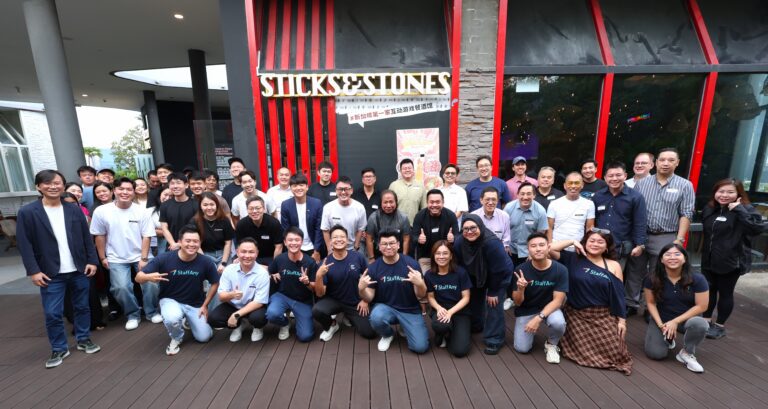
On 14 July 2026, HR professionals from Singapore’s F&B and retail industries gathered at Yoasobi By Kanpai for another edition of StaffAny’s Happy HR Hour.
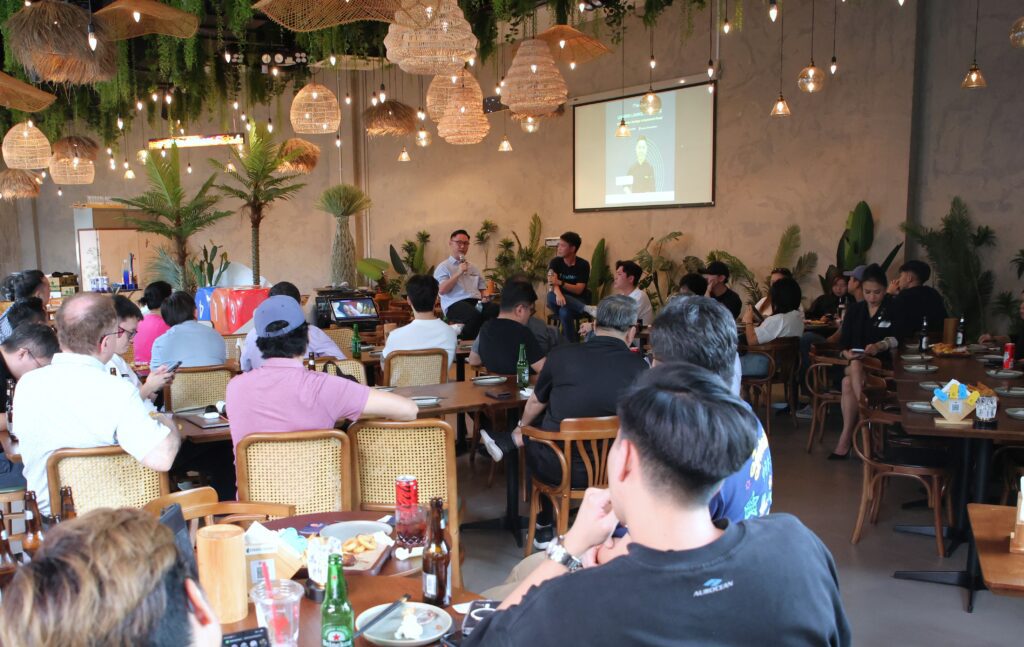
This session featured Sharanpreet Kaur, Group Finance and HR Manager at Food Concepts Group Singapore. Drawing on her responsibilities across both functions, Sharanpreet shared how finance and HR can work together to make better decisions about labour planning, productivity, payroll, retention and scheduling.
The discussion centred on how businesses should see manpower: people may be one of a business’s biggest costs, but managing them well requires more than reducing headcount.
Here are the key takeaways from the session.
People Are a Cost, but They Are Also an Investment
Behind occupancy costs like rental, manpower is one of the largest expenses on an F&B company’s profit and loss statement. However, Sharanpreet encouraged HR leaders to move beyond asking how labour costs can be cut.
A more useful question is how employees can be deployed and supported so that they become more productive. Investing in the right number of people can improve the employee experience, service quality and customer satisfaction, which can ultimately support revenue.
This requires HR and finance to balance two priorities. Finance looks at business sustainability, while HR considers employee engagement and the realities of managing people. Neither perspective is sufficient on its own.

Cost Optimisation Means Spending Wisely
Reducing labour costs may appear positive on paper, but the operational consequences can outweigh the savings.
For example, having only three employees during a busy Friday service as opposed to the usual five can result in staff being overwhelmed, and customers waiting longer leading to a poorer experience.
Sharanpreet therefore preferred outlets being slightly overstaffed rather than operating with too few people. Another option is to maintain a pool of part time employees who can be called in when demand increases.
The lesson was that cost optimisation is about spending wisely as opposed to spending less. This can come from matching manpower to real operational demand and getting greater value from the people already in the organisation.
Payroll Problems Often Begin on the Ground
Payroll teams may be blamed when employees are paid incorrectly, but many errors begin much earlier in the process.
Missing clock ins, missing clock outs, unapproved leave, and incomplete attendance records prevent payroll teams from calculating hours accurately. Automation can help, but ground-level staff and on-site managers still play a role in providing accurate information.
Clear ownership and regular communication between outlet managers, operations and payroll are essential. Accurate payroll depends on frontline teams maintaining complete records and approving information on time.
Numbers Need to Be Matched With Ground Reality
To ensure that decisions aren’t just based on gut feeling, Sharanpreet shared that her team reviews numbers such as sales, labour costs, overtime, productivity and trends across different outlets while validating them with on-the-ground knowledge by speaking directly with store employees.
For instance, an employee may perform well with customers while struggling with attendance. A team may appear adequately staffed while still facing pressure during busy periods.
Better workforce decisions come from combining data with conversations, operational observations and managerial judgement. Numbers provide evidence, but understanding what is happening on the ground gives those numbers context.
HR, Finance and Operations Should Plan Together
In some discussions, such as employee resignations or terminations, HR is usually brought into the conversation too late.
For workforce planning to support the business, HR, finance and operations need to be involved from the beginning of a store’s planning and budgeting. This way, finance’s knowledge of the available budget and operations’ knowledge of what each outlet needs can be combined with HR’s knowledge of the labour market, available talent, and employee considerations before any employee issues even occur.
Sharanpreet shared that when planning a new outlet, these functions worked together months before opening to create the budget and determine what manpower would be required. This allowed head chefs, operations managers and the relevant support functions to make decisions from the same plan.
For Those Who Want to Be Commercially-minded, HR Leaders Should Understand the P&L
For HR professionals who want to become more business minded, Sharanpreet recommended that they should become more comfortable reading numbers.
Understanding the profit and loss statement helps HR assess labour costs in the context of revenue and the wider business. Without that visibility, a request to reduce employment costs by a certain percentage may be difficult to interpret or challenge constructively.
This also changes how HR presents its role. HR does not only support people. It supports the business through its people.
When finance considers replacing an experienced employee with a less expensive new hire, HR should also account for the less visible costs of recruitment, training, lost knowledge and the risk that the replacement may not perform as expected. Retaining a productive employee can sometimes be the more sustainable commercial decision.
A Community for Better Workforce Decisions
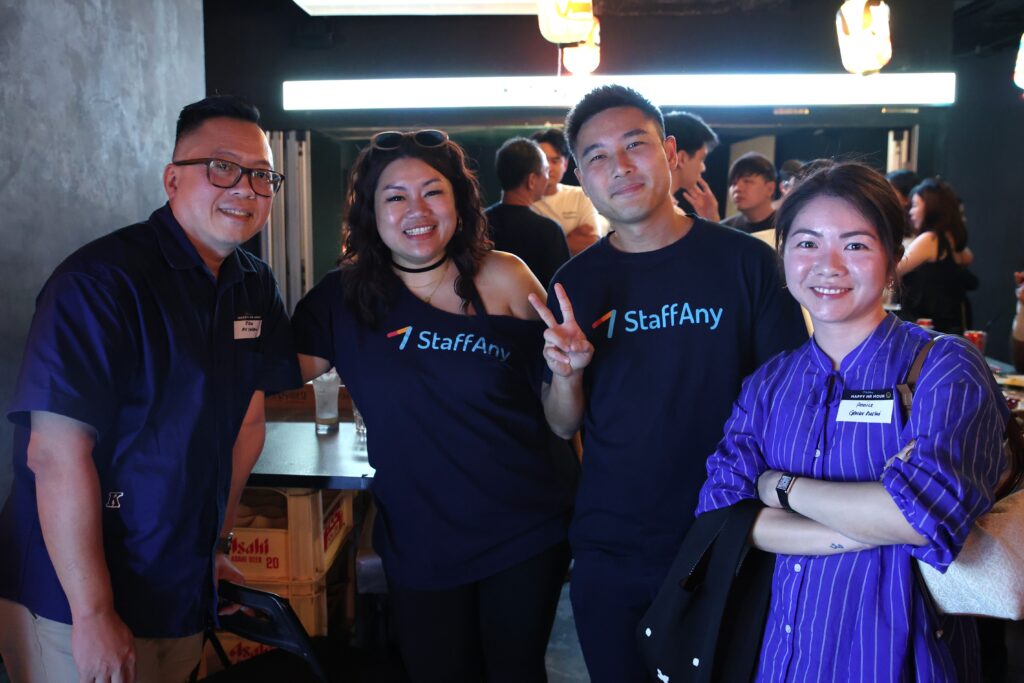
The fireside chat closed with questions from attendees before the group continued networking over food and drinks.
The discussion showed that managing people costs sustainably is not about choosing between employee experience and financial discipline. It requires HR, finance and operations to share information, understand each other’s priorities and make decisions together.
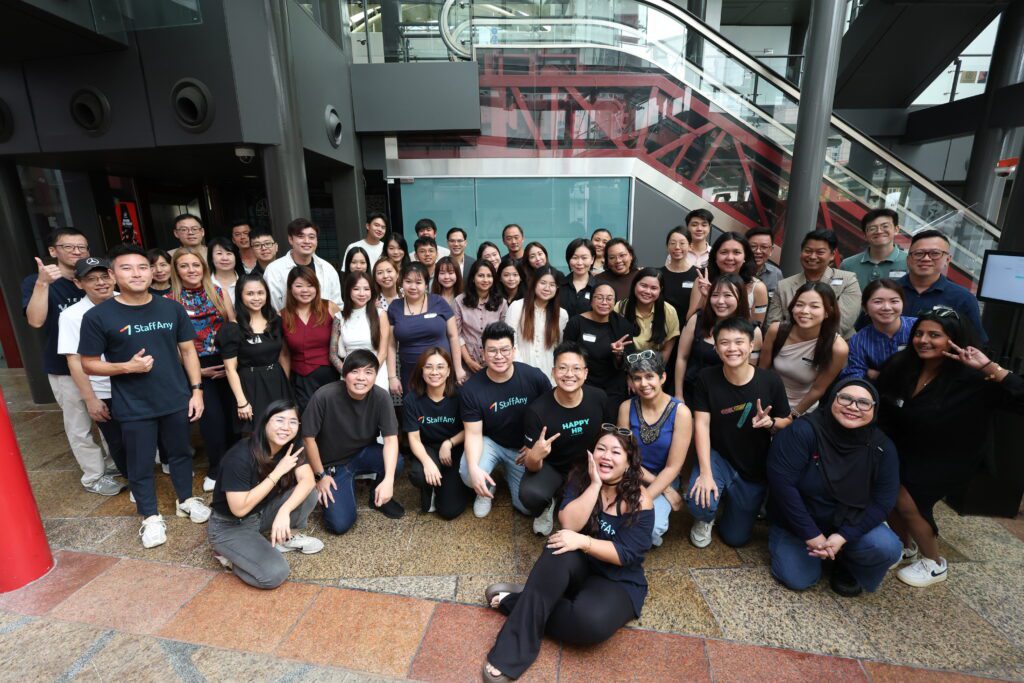
StaffAny’s Happy HR Hour continues to give Singapore’s F&B and retail HR community a space to exchange practical experiences and build relationships with peers facing similar workforce challenges.
We look forward to seeing everyone again at the next Happy HR Hour.