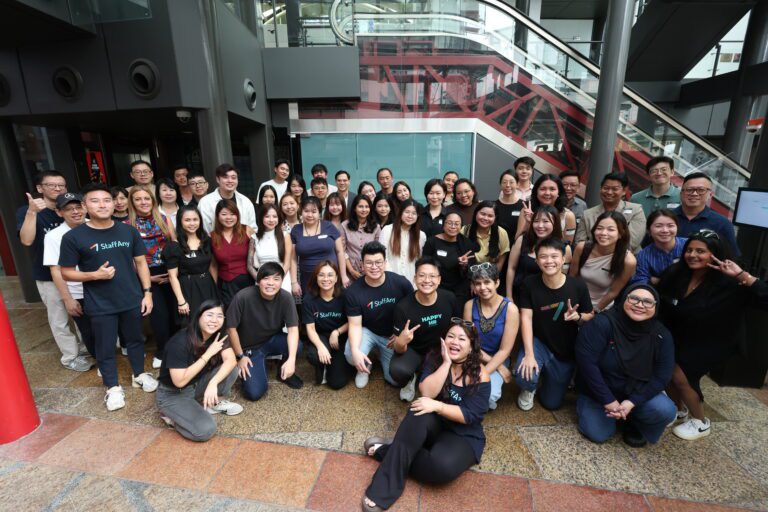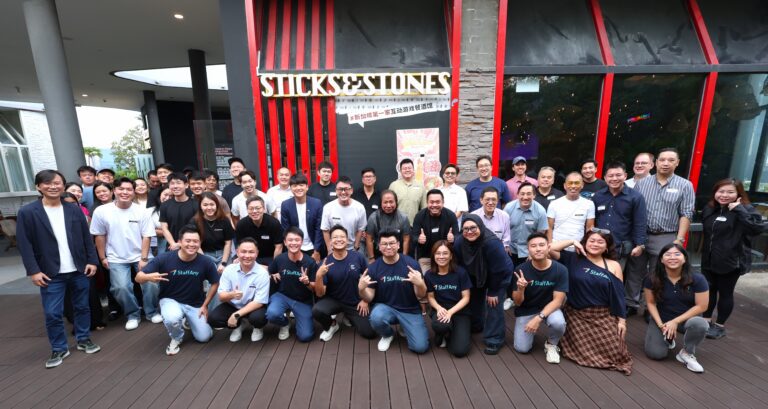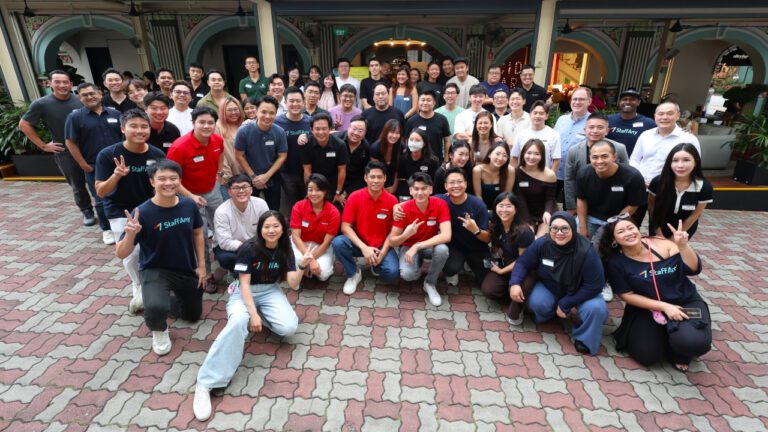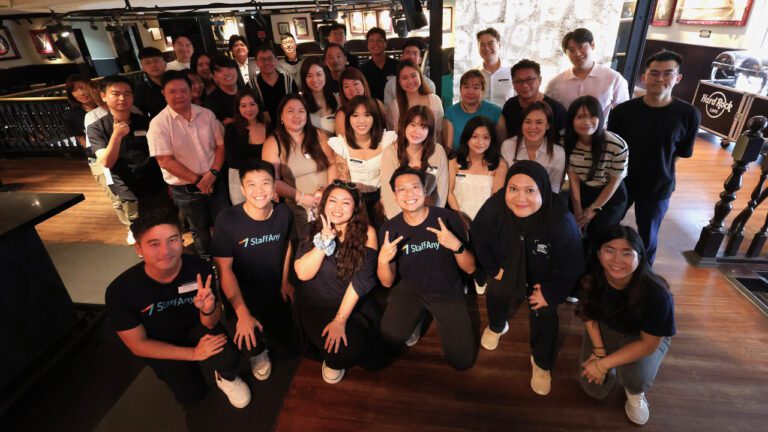
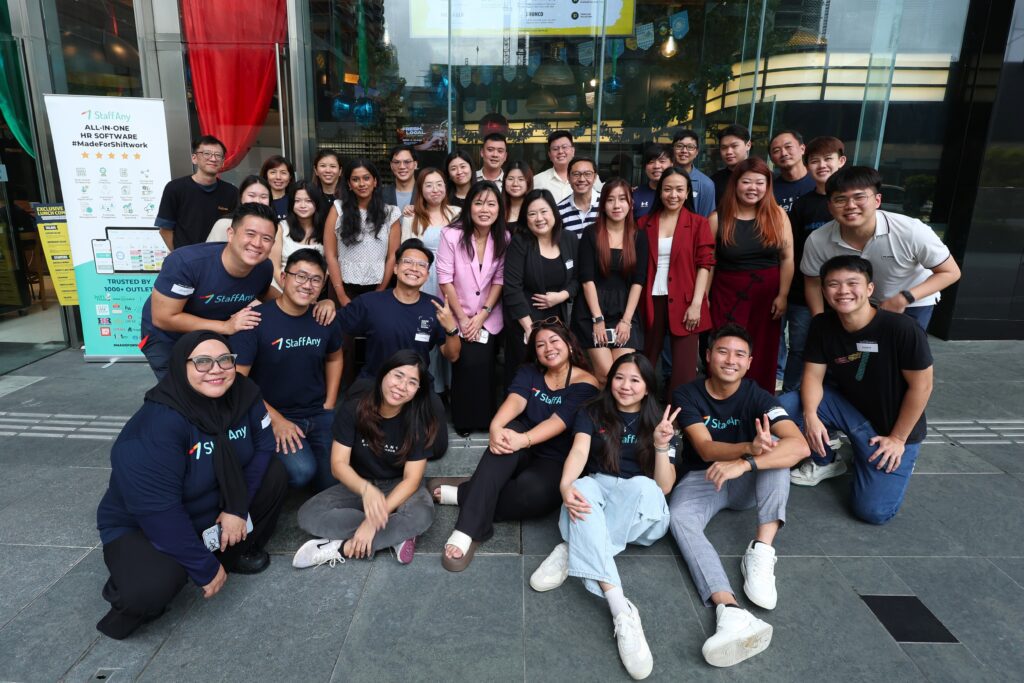
On the 15th of May 2026, HR professionals from Singapore’s F&B and retail industries gathered at Picotin Shenton Way for another edition of StaffAny’s HR Happy Hour.
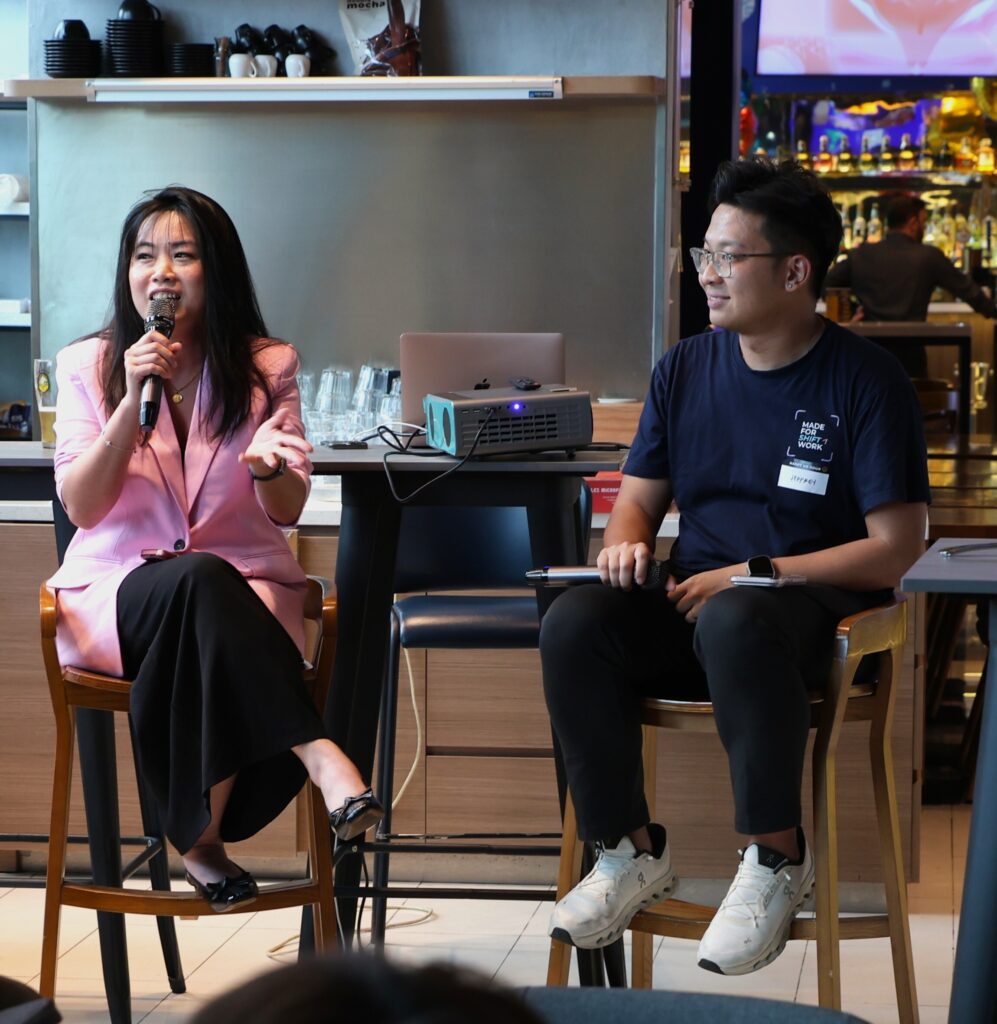
This session featured Ivy Tjin, Senior HR Manager at BreadTalk Pte Ltd, who shared her experience transitioning from the construction industry into F&B HR and how HR leaders can evolve from operational support into strategic business partners.
During the fireside chat moderated by StaffAny’s Jeffrey Wong, Ivy discussed the realities of HR in a fast moving F&B environment, from retention challenges and stakeholder management to the growing role of AI in HR operations.
Here are the key takeaways from the session.
Strategic HR Starts with Understanding the Business
One of the strongest themes throughout the discussion was the importance of HR understanding business operations.
While HR fundamentals remain similar across industries, the pace and complexity of F&B requires HR professionals to respond quickly while balancing both employee and operational needs.
For HR leaders who want to become more strategic and not just operationally-driven, the first step is building a growth mindset and spending time understanding day to day operations. This includes listening to employees, observing outlet operations, understanding stakeholder concerns, and identifying operational gaps before proposing solutions.
Rather than functioning only as policy administrators, HR teams are expected to work closely with operations leaders to support business goals and workforce stability.
The “AIA” Framework for Strategic HR
She also shared a simple framework she uses to guide her HR team: AIA.
The first “A” stands for anticipate. HR teams should move from being reactive to proactive by studying trends such as attrition and absenteeism and identifying issues early.
The “I” stands for influence. HR leaders need to build buy-in from both employees and stakeholders whenever new initiatives or policies are introduced.
The final “A” stands for align. HR must constantly balance business requirements with employee expectations while helping both sides understand each other’s perspectives.
The framework reflects how HR teams today are increasingly expected to contribute to business conversations rather than operate purely as support functions.
Retention Requires Understanding Why Employees Leave
Employee turnover remains one of the biggest challenges in F&B, but it was noted that not all attrition should be viewed negatively.
Instead of focusing only on turnover numbers, HR teams need to understand the reasons behind resignations and identify patterns across brands, teams, and employee groups.
This requires conversations not only with employees, but also with supervisors, line managers, and operations leaders. By understanding different perspectives, HR teams can identify gaps and improve future employee experiences.
The focus is not always about convincing employees to stay, but about learning from every resignation and reducing preventable turnover over time.
Building Trust Through Quick Wins
Another important lesson discussed during the session was the importance of trust between HR and operational stakeholders.
Ivy shared that HR teams often need to demonstrate value through smaller wins before stakeholders become more open to larger strategic initiatives. These quick wins can come through listening to the needs of various stakeholders and employees, observing what’s happening especially during day-to-day operations and even going down to the branches and outlets. This information can then be analysed together with monthly data like attrition numbers and productivity to create action plans.
As trust develops through these action plans and quick wins, operations leaders begin involving HR earlier in business discussions and decision making. One indicator of this partnership is whether leaders naturally turn to HR teams when operational or people challenges arise.
This shift reflects the growing expectation for HR to act as a business partner rather than simply a processor of administrative tasks.
AI Will Change HR Processes, But Not Human Connection
The conversation also touched on the growing role of AI in HR. Many administrative and analytical processes such as recruitment workflows, policy support, and data analysis may increasingly become automated over the next few years.
However, Ivy emphasised that the human aspect of HR cannot be replaced. Employees still need empathy, support, and genuine human interaction, especially in people intensive industries like F&B.
Within her own work, she uses AI tools to strengthen proposal writing, explore alternative solutions, and brainstorm ideas with her team. At the same time, she encourages creativity and open discussion within the HR department, believing that meaningful ideas often emerge through collaboration.
As she put it, she believes that ‘nothing is stupid’ and you never know the potential that certain ideas or things could have when they are brought up during her team’s regular brainstorming sessions.
Engagement Requires Consistency
The session also highlighted the importance of regular employee engagement.
BreadTalk’s HR team conducts regular engagement sessions with rank and file employees, line managers, and operations teams to identify concerns and close communication gaps.
These sessions allow HR and operations leaders to discuss areas for improvement while also recognising positive progress across teams.
Rather than treating engagement as a one off initiative, the discussion reinforced that employee communication and relationship building need to happen consistently over time.
A Community for HR Learning and Sharing
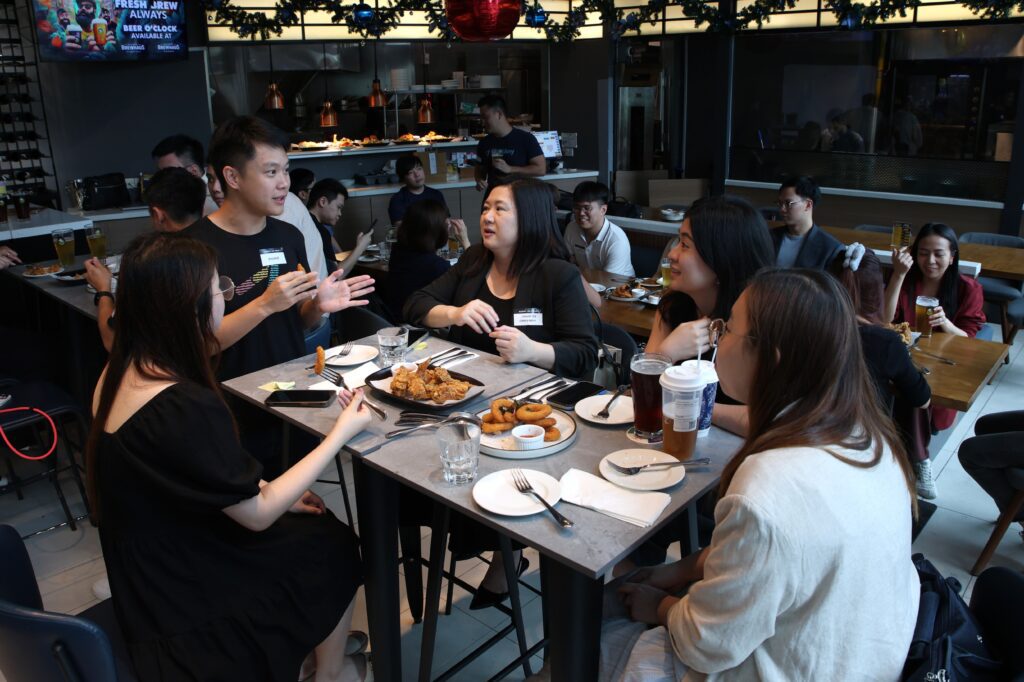
As the fireside chat concluded, attendees continued networking over food and drinks while exchanging ideas with fellow HR professionals from across Singapore’s F&B and retail sectors.
A Community for HR Learning and Sharing
As the fireside chat concluded, attendees continued networking over food and drinks while exchanging ideas with fellow HR professionals from across Singapore’s F&B and retail sectors.
The evening highlighted how many HR leaders face similar operational and workforce challenges, regardless of company size or format.
StaffAny’s HR Happy Hour continues to provide a space for HR professionals to learn from one another, exchange practical insights, and strengthen the wider F&B HR community in Singapore.
We look forward to seeing everyone again at the next HR Happy Hour.