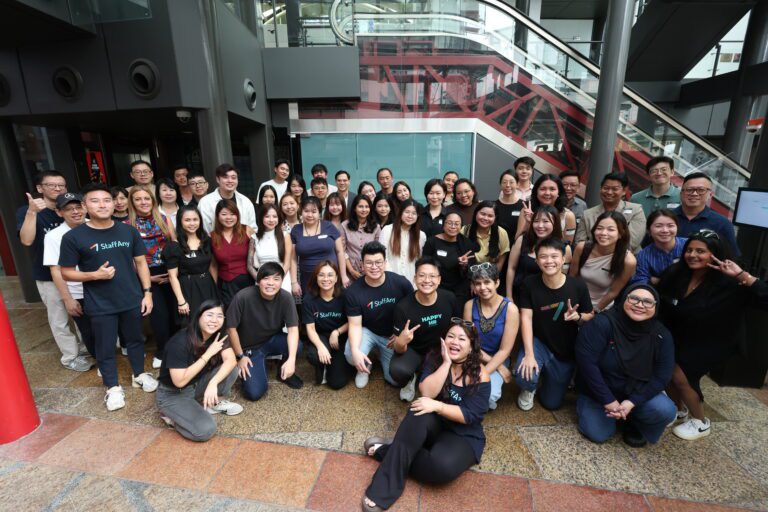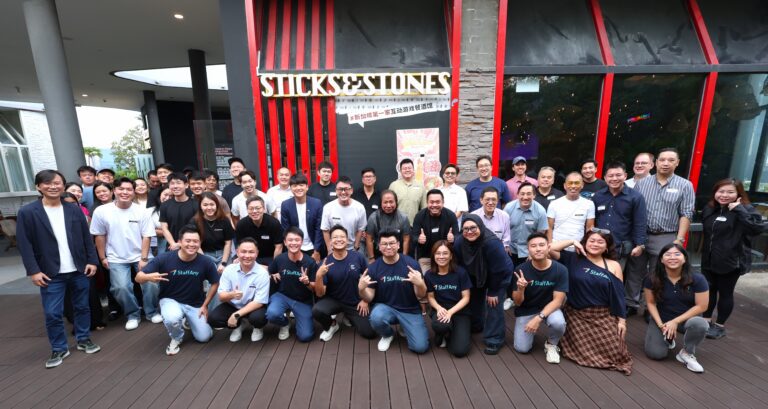
On 8 April 2026, F&B leaders gathered at Acid Bar & Restaurant for another edition of StaffAny’s Leaders’ Lounge.
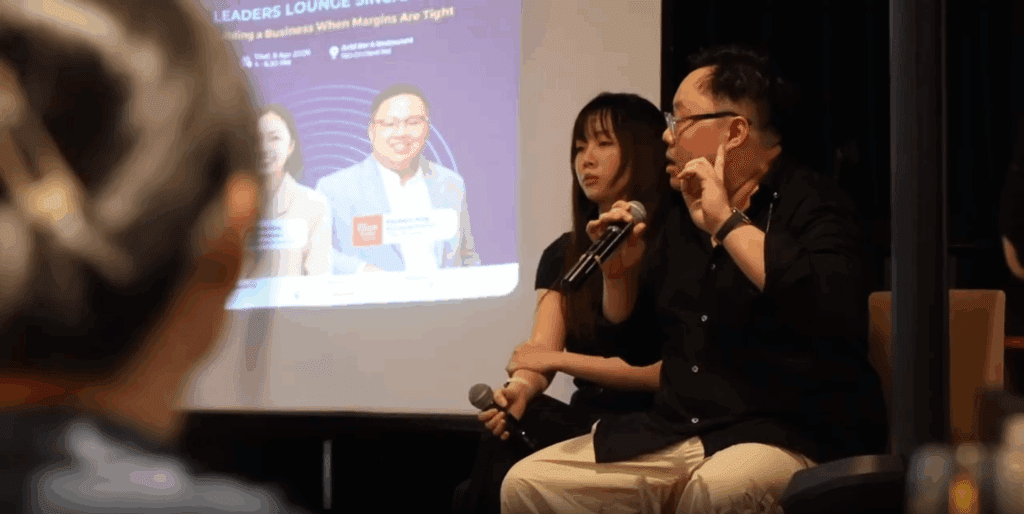
The session brought together operators across catering, food service, and hospitality for an afternoon of discussion and networking. The fireside chat featured Ophelia Ong, General Manager at Four Seasons Catering, and Reuben Ang, Managing Director at Elsie’s Kitchen, moderated by StaffAny co-founder Janson Seah.
The discussion focused on a key challenge many businesses are facing today: how to sustain performance in an environment where margins are under pressure.
Here are the key takeaways from the session.
Operating in an Uncertain Environment
One of the main themes of the discussion was the level of uncertainty in today’s market.
Rising costs, supply volatility, and changing customer sentiment have made planning more difficult for operators. Businesses are seeing fluctuations in both supplier pricing and consumer demand, which creates pressure on both revenue and cost management.
For companies with fixed commitments such as property investments, this uncertainty adds an additional layer of pressure to maintain consistent performance and meet baseline financial obligations.
As a result, agility has become an essential capability. Operators need to constantly review their position and make adjustments as conditions change.
Diversification as a Survival Strategy
Both speakers shared the importance of diversifying revenue streams.
Relying too heavily on a single segment, particularly government contracts, can expose businesses to significant risk. In earlier years, some catering businesses derived the majority of their revenue from a single contract. While this provided stability in the short term, it created vulnerability if the contract was lost.
Over time, businesses such as food caterers shifted towards a more balanced mix of B2B, B2C, and institutional contracts with some specialised brands built to target different niches. This allowed them to spread risk and build resilience across different customer segments.
Diversification was not positioned as a growth strategy alone, but as a necessary move to ensure long term sustainability.
Growth Requires Multiple Levers
The session also highlighted that improving revenue is rarely driven by a single action.
Operators shared that meaningful growth typically comes from a combination of initiatives, including strengthening brand positioning, developing new products, building partnerships, and improving sales strategies. These are medium to long term efforts rather than immediate fixes.
Short term actions such as price increases may provide temporary relief, but they need to be managed carefully to avoid longer term impact on customer demand.

Cost Control Starts with Data
Cost management was another major focus of the discussion.
Speakers emphasised the importance of having clear visibility over key cost drivers such as food, labour, and production. The ability to track and analyse data allows businesses to identify areas for improvement and make informed decisions. The speakers mentioned that the data that came from COVID-era digitisation turned out to be a silver lining.
Food waste was highlighted as one of the most immediate areas for cost optimisation. By tracking waste and adjusting production processes, businesses can achieve meaningful savings.
Labour planning is another key lever. In a demand driven environment such as catering, understanding peak and off peak periods allows operators to better allocate manpower and reduce inefficiencies.
Efficiency Through Process and Structure
Operational efficiency was discussed not just in terms of cost cutting, but also in how businesses are structured.
Some operators have reduced reliance on large teams by investing in automation and improving production processes. Others are moving towards flatter structures, where teams are given more autonomy and ownership.
These changes can improve both productivity and stability, especially in an environment where manpower remains a constraint.
Managing Rising Utility Costs
Utilities have become an increasingly important cost component.
Businesses are exploring ways to reduce energy consumption through initiatives such as upgrading to more efficient lighting systems and reviewing overall usage patterns. Larger investments, such as solar panels, have also been implemented by some operators to reduce long term costs. The Singapore government energy efficiency grant was mentioned as a useful policy for this.
While not all solutions are applicable to every business, the discussion highlighted that even incremental improvements can contribute to overall cost savings.

Pricing as a Strategic Decision
Pricing strategies differ depending on the business model.
Some operators take a value based approach, setting prices based on brand positioning and customer experience while benchmarking against the market. Others continue to rely on cost based pricing due to operational scale and overhead structures.
Regardless of the approach, pricing decisions are made with a focus on long term sustainability rather than short term reaction to cost changes.
Applying Technology with Clear Purpose
The role of technology, particularly AI, was also discussed.
Ophelia and Reuben noted that while there is strong interest in adopting new tools, the focus should remain on solving real operational problems. In the F&B sector, this includes areas such as food safety, compliance, and logistics planning. One possible application was using AI-powered pattern recognition to review the kitchen’s CCTV footage to ensure food safety, such as monitoring hand washing, wearing protective gear, or using the right chopping boards.
Some businesses are already using digital tools for administrative tasks and data tracking, but broader adoption will depend on whether these technologies can deliver practical value.

A Space for Industry Exchange
The session concluded with audience questions and networking over drinks and canapés.
As with previous Leaders’ Lounge sessions, the event provided a platform for operators to share experiences and learn from one another. Many attendees reflected that the challenges discussed were common across the industry, regardless of business size or segment.
In a landscape where margins remain tight, these conversations continue to play an important role in helping businesses adapt and move forward together.
We look forward to seeing everyone at the next Leaders’ Lounge.