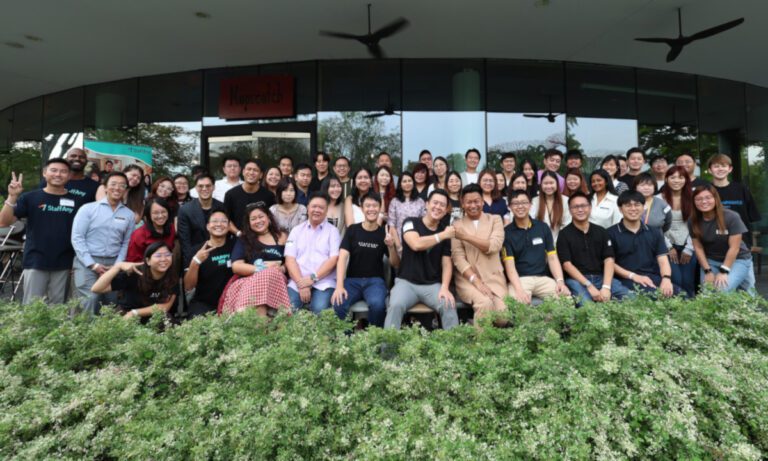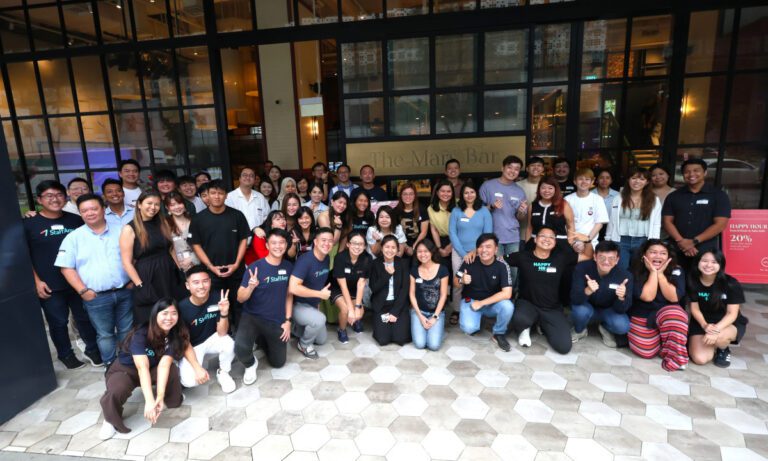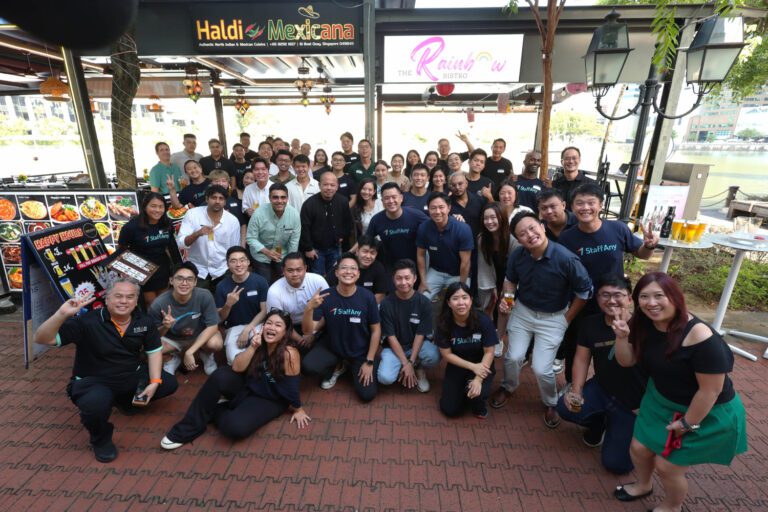
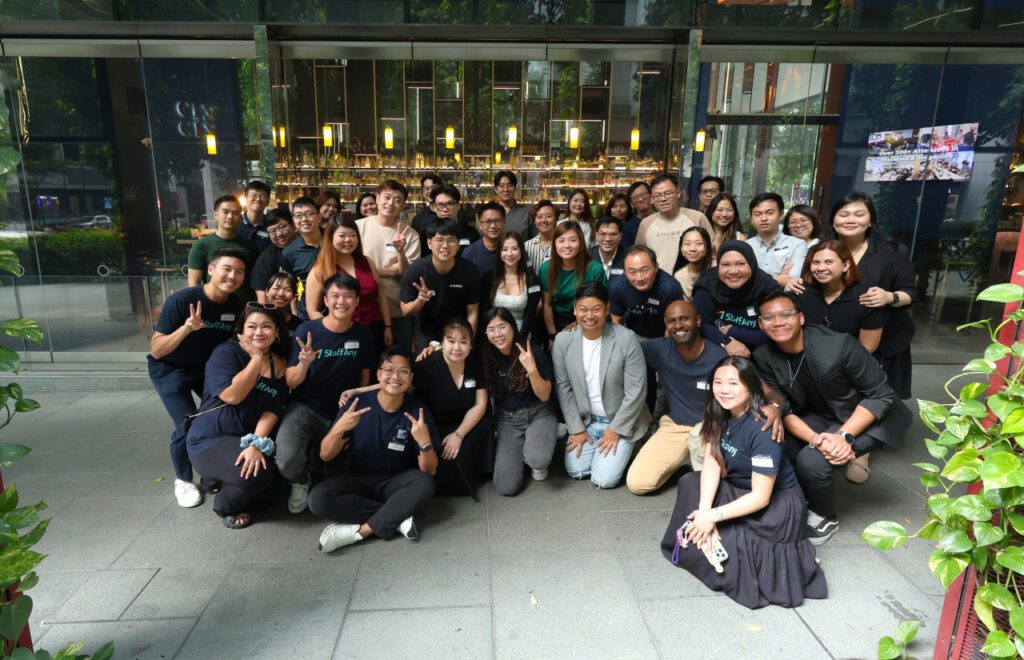
On January 22nd, 2026, Singapore’s HR professionals came together once again for StaffAny’s HR Happy Hour at CIN CIN Gin Bar in Tanjong Pagar. This edition, titled “Hiring Today, Building for Tomorrow,” explored the differences and overlaps between recruitment in F&B and beauty.
January’s guest speaker was Ni Ni, HR Manager at 8 Medi-Aesthetics Group, who brought a unique perspective after leading HR in both industries. In conversation with StaffAny’s co-founder Janson Seah, she reflected on what has stayed the same and what has changed about hiring, talent management, and employee experience.

The Fundamental Difference: Skills vs Attitude
The biggest difference between the two industries lies in what you’re hiring for. In F&B, hiring is often a volume game. One position may require ten interviews before finding a good fit. Most decisions are made based on attitude, not resumes.
In contrast, beauty and aesthetics roles demand specific certifications and strong technical skills such as massage technique or product knowledge. These are tested directly in interviews, and candidates are often expected to perform against strict sales benchmarks from day one.
Talent Acquisition: Mass vs Precision
In F&B, recruitment is a fast-paced numbers game. The focus is on the talent’s attitude and speed, as some of the candidates could be snapped up by competitors if they are not replied to fast enough. In some cases, onboarding can take less than three days to secure talent before competitors do.
In contrast, beauty retail is all about head hunting. A recruiter for the beauty industry can spend around 80 percent of their time headhunting, such as tracking competitors, tapping into referrals and even travelling to Malaysia to scout talent.

Recruitment Requires Resilience
What unites both sectors is the need for resilient HRs. Rejection is part of the game. With 500 interviews conducted for 40 hires last year, Ni Ni emphasised grit, agility, and speed.
“Like, to be able to survive in the F&B HR is really not easy. Yeah, and one of the qualities that you have is being resilient, you know, don’t give up.
Yeah, I think by the time like, if you have like one candidate telling you no, then that is okay. If you have 10, 10 no, it’s still okay. Yeah, but I think being resilient is one very key factor in driving, and you have to be passionate, I would say.
Yeah, without passion I think it’s quite tough.”
The HR Misconception
One common myth that was busted in the event is that F&B HR is just about sitting in the office. Success comes from walking the ground, staying close to teams, and being the first to sense when things are off.
HR leaders also need to have a sense for the current pay rates for employees. HR teams are the voice of the employees, and while the needs of the stakeholders need to be managed, employees would be hard pressed to gain a pay raise without HR’s help.
External Resources Shouldn’t Be Neglected
Government grants and learning communities can be powerful tools for L&D teams. From SkillsFuture Enterprise Credit to Career Conversion Programs, L&D teams can tap into available support to offset training costs. They can also work with external partners like Grab Academy for masterclasses and additional training.
To promote intergenerational teamwork, F&B businesses can pair young and old staff together during coaching and mentoring courses, like the ones offered by the National Centre of Excellence for Workplace Learning (NACE) at Nanyang Polytechnic. In one example, a shy senior staff member was paired with a younger peer, gained confidence, passed a WSQ assessment, and became a program ambassador.

Data-Driven Performance Conversations
Letting go of underperformers is never easy. To perform well, HR teams need to strike a balance between emotions and being performance driven. The key to doing this well is having the data to back it up. Clear stats on personal sales, outlet targets, and one-month performance improvement plans (PIPs) help make decisions fair and transparent.
One piece of advice that was shared for PIPs is to shift from emotional conversations to performance-based expectations. Ask: “What can you bring to the table?”
Trends to Watch in 2026
Looking ahead, HR leaders were encouraged to anticipate:
- Tighter quotas and rising qualifying salaries for foreign workers, based on Singapore’s 2026 Budget announcement.
- Greater demand for flexibility and work-life balance from staff.
- Strategic management of manpower costs, which can hit 25–35% of total costs depending on format, like kiosks.
For F&B businesses with thin margins, HR plays a key role in balancing operational efficiency and staff wellbeing.
Final Advice: Love Recruitment or Leave It
The session closed with a simple but powerful reminder: “If you want to work in F&B HR, you have to love recruitment.”
Whether in beauty or food service, HR is no longer just about policies and payroll. It is about people, pace, and persistence.
With the session wrapped, the crowd moved to networking over drinks, swapping tips, referrals, and stories from the frontlines.